
Lower heating and cooling costs
By reducing heat transfer through ceilings and walls, bulk insulation keeps warmth in during winter and heat out during summer, cutting the workload on heaters and air conditioners.
Mulgrave Insulation Specialists
Bulk insulation traps still air to slow heat flow through ceilings, walls and floors. In Mulgrave’s brick veneer and weatherboard homes, it’s the simplest way to cut winter heat loss and summer heat gain, lowering heating and cooling costs year round.
Share your details and Expert Insulation Melbourne will contact you about Bulk Insulation in Mulgrave.
Bulk insulation uses materials like glasswool, polyester or rockwool batts to resist heat flow by trapping still air. In Mulgrave, it is installed between ceiling joists, inside wall cavities during renovations or under suspended floors to improve thermal resistance and comfort.
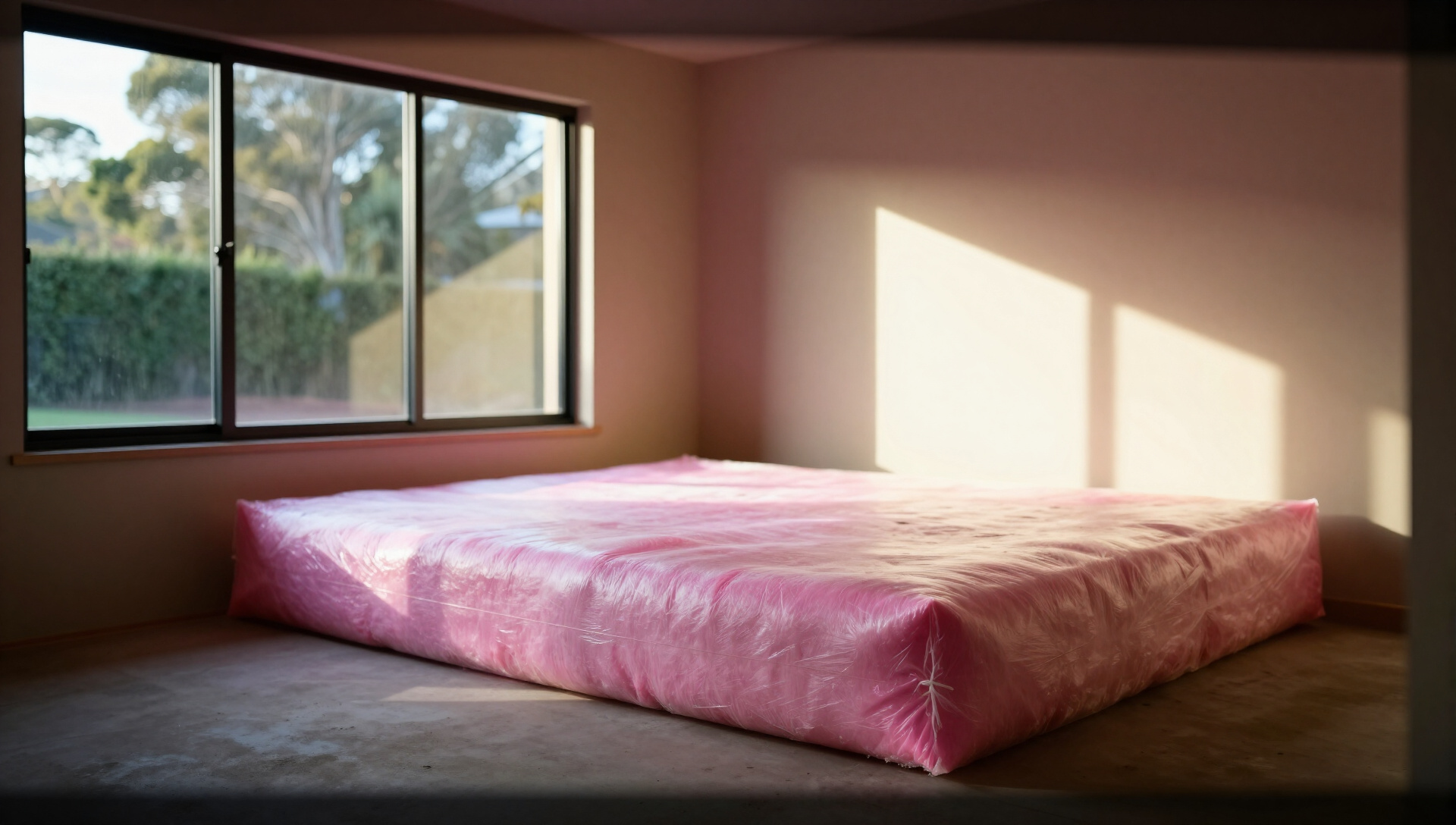
Mulgrave’s mix of older brick veneer and newer homes often lacks sufficient insulation, leading to cold floors, draughts and high energy bills. Bulk insulation addresses these issues directly.
By reducing heat transfer through ceilings and walls, bulk insulation keeps warmth in during winter and heat out during summer, cutting the workload on heaters and air conditioners.
Even temperatures from room to room mean no more cold spots near windows or hot upper floors in summer. The home stays comfortable without constant adjustments to the thermostat.
Properly installed bulk insulation helps manage internal moisture levels, reducing the risk of condensation on windows and in roof spaces that can lead to mould.
Dense batts in walls and ceilings dampen airborne noise from traffic, neighbours or internal sources, making living spaces quieter.
Quality bulk insulation retains its thickness and R-value for decades if kept dry and undisturbed, requiring no upkeep once correctly installed.
Using less energy for heating and cooling lowers the household’s carbon footprint. Many bulk insulation products also contain recycled materials.
Installing bulk insulation is straightforward when access is available. We work efficiently to minimise disruption and ensure full coverage without gaps or compression.
We check the roof space for existing insulation, electrical cables, downlights and clearances. Old compressed batts are noted for removal, and any signs of asbestos stop work until assessed by a qualified professional.
Based on your home’s construction and climate exposure, we recommend the right material and R-value. Ceilings commonly use R4.0 to R6.0, walls R2.0 to R2.7, and underfloor R1.5 to R2.5 for suspended timber floors.
Batts are cut to fit snugly between ceiling joists, wall studs or floor bearers without gaps or compression. We maintain required clearances around downlights, flues and other services.
Loose material and dust are removed from the roof space, and we verify that all areas are fully covered. Access points are sealed, and the site is left tidy.
Mulgrave’s mix of 1970s and 1980s brick veneer homes and newer builds often have under-insulated ceilings and walls. With cold winters and hot summers, bulk insulation is a cost-effective upgrade that improves comfort and reduces energy use. Nearby suburbs like Wheelers Hill and Glen Waverley share similar housing stock and climate, making insulation a smart investment across the area.
Expert Insulation Melbourne installs glasswool, polyester and rockwool batts in Mulgrave ceilings, walls and floors.
Homeowners in Mulgrave often ask about the practicalities of bulk insulation, from cost factors to installation constraints. Here are the most common questions we answer on site.
Bulk insulation in Mulgrave is a practical solution for reducing heat loss through ceilings and walls. Using materials like glasswool, polyester or rockwool, it traps still air to improve thermal resistance and lower heating and cooling costs. In Mulgrave’s brick veneer and weatherboard homes, this upgrade directly addresses cold floors, draughts and uneven temperatures that drive up energy use.
The installation process begins with an assessment of the roof space or wall cavities to check for existing insulation, electrical cables and downlight clearances. Old compressed batts are removed if necessary, and the right R-value is selected for the application. Ceilings typically use R4.0 to R6.0, walls R2.0 to R2.7, and underfloor areas R1.5 to R2.5. Batts are then fitted snugly between framing members without gaps or compression.
Costs vary based on roof pitch, access, floor area, existing insulation and the chosen R-value. Homes in Mulgrave with steep roofs or limited access may require additional time on site. Signs that a home needs bulk insulation include cold floors in winter, hot upper floors in summer, high energy bills and noticeable draughts. For older homes, topping up thin or compressed batts can restore performance without a full replacement.
Improve comfort and cut energy costs with bulk insulation fitted by Expert Insulation Melbourne. We work across Mulgrave and can assess your home’s needs on site.