
Reduces winter heat loss through walls
Uninsulated brick veneer walls allow heat to escape rapidly in winter. Cavity wall insulation slows this transfer, keeping indoor temperatures steadier and lowering heating costs.
Mulgrave Wall Insulation
Cavity wall insulation for brick veneer homes in Mulgrave reduces winter heat loss and summer heat gain through external walls. Expert Insulation Melbourne installs it with minimal disruption to your home.
Share your details and Expert Insulation Melbourne will contact you about Cavity Wall Insulation in Mulgrave.
Cavity wall insulation fills the gap between the outer and inner leaves of brick veneer walls in Mulgrave homes. It is injected through small holes drilled into the mortar joints, which are then patched to match the existing brickwork. This method is effective for reducing heat transfer through walls without requiring internal wall linings to be removed.
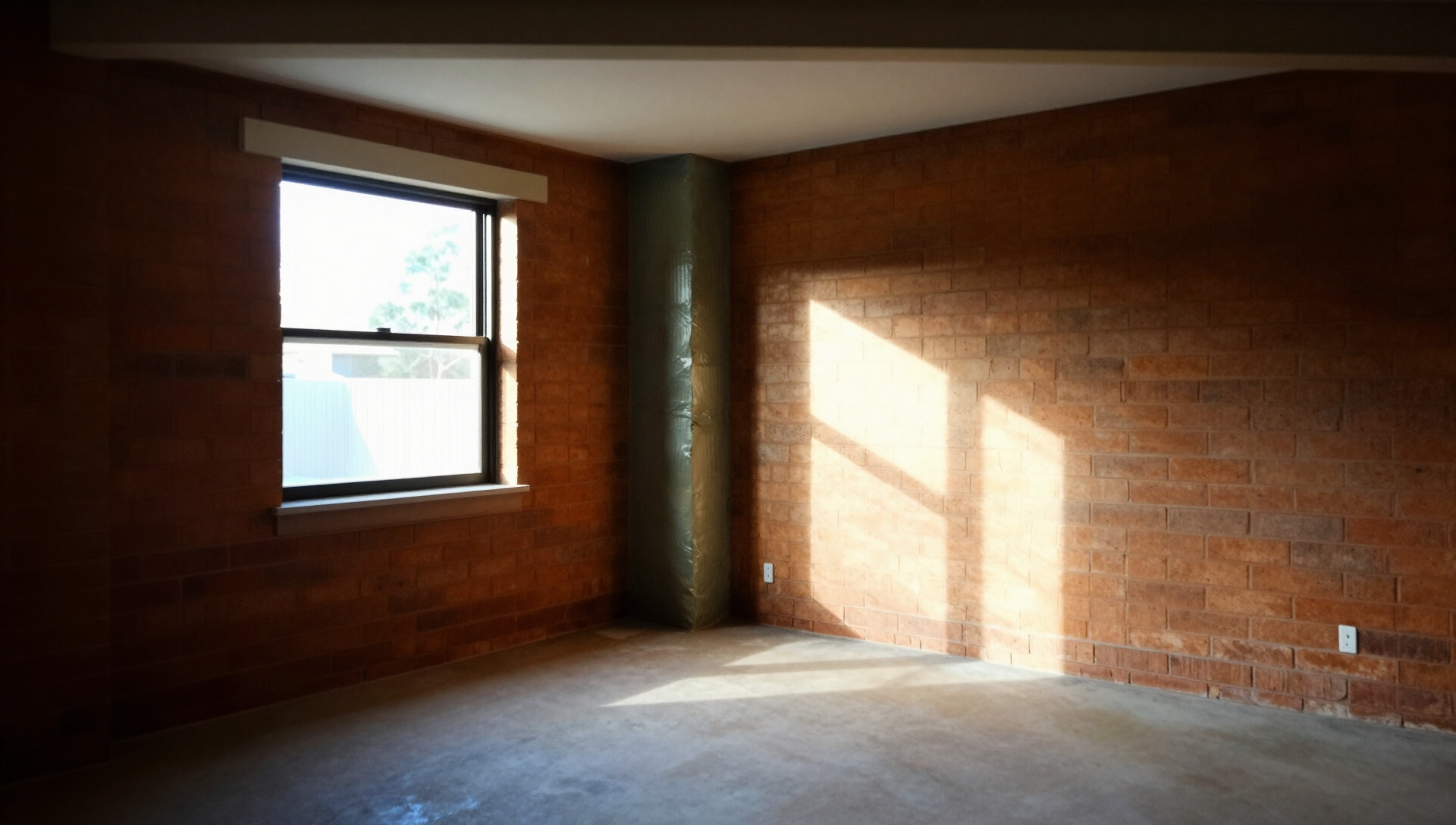
Mulgrave’s mix of older brick veneer homes and newer builds benefits from cavity wall insulation to address heat loss through uninsulated external walls. This is especially valuable in Melbourne’s climate, where cold winters and hot summers place high demands on heating and cooling systems.
Uninsulated brick veneer walls allow heat to escape rapidly in winter. Cavity wall insulation slows this transfer, keeping indoor temperatures steadier and lowering heating costs.
During hot spells, external walls absorb heat that radiates inward. Insulating the cavity reduces this effect, helping your home stay cooler without overworking air conditioning.
By stabilising indoor temperatures, cavity wall insulation reduces cold spots near external walls in winter and hot zones in summer, making living spaces more consistent.
Installation is done from the outside, so there is no need to remove internal wall linings, furniture or fittings. The process is quick and leaves no mess inside.
Unlike wall batts, cavity insulation does not require opening up internal walls. It is ideal for retrofitting older brick veneer homes in Mulgrave where wall cavities are accessible.
Pairing cavity wall insulation with ceiling and underfloor insulation creates a complete thermal envelope, maximising energy savings and comfort in Mulgrave homes.
The installation process for cavity wall insulation is straightforward and designed to minimise impact on your home. Each step is carried out by experienced installers to ensure the insulation performs effectively and the finish is neat.
First, we assess your Mulgrave home to confirm the wall type is suitable for cavity insulation. Brick veneer is typically ideal, while some double brick or weatherboard walls may not be. We also check for moisture issues or obstructions in the cavity.
Small holes, usually 10-15mm in diameter, are drilled into the mortar joints of the external brickwork at regular intervals. These provide access points for injecting the insulation material.
Loose-fill insulation material, often mineral wool or cellulose fibres, is blown into the cavity through the holes. The installer ensures even distribution to avoid gaps or compression that would reduce performance.
Once the cavity is filled, the access holes are sealed with a colour-matched mortar to blend in with the existing brickwork. The finish is tidy, with no visible signs of the work once complete.
Mulgrave’s residential area features many brick veneer homes built from the 1960s onwards, which often lack wall insulation. Cavity wall insulation is a practical upgrade for these properties, addressing heat loss and gain through external walls without the need for internal renovations. Nearby suburbs like Wheelers Hill and Glen Waverley share similar housing stock, making this solution widely applicable across the area.
Effective insulation for brick veneer homes in Mulgrave to reduce heat transfer through walls.
Homeowners in Mulgrave often have questions about how cavity wall insulation works, whether their home is suitable and what to expect during installation. Here are answers to the most common queries.
Cavity wall insulation is a cost-effective way to improve the thermal performance of brick veneer homes in Mulgrave. Many properties in the area were built without wall insulation, leading to significant heat loss in winter and heat gain in summer. By filling the cavity between the outer brick leaf and the internal wall with insulating material, this method reduces heat transfer without requiring major structural changes.
The process begins with a suitability assessment to confirm the wall type and cavity condition. Brick veneer walls, common in Mulgrave, are typically well-suited, while solid double brick or weatherboard walls may not be. The installer then drills small holes into the mortar joints, injects the insulation and patches the holes to match the existing brickwork. This approach ensures minimal disruption to the home’s interior and exterior appearance.
For Mulgrave homeowners, cavity wall insulation complements ceiling and underfloor insulation to create a complete thermal barrier. This is particularly important in Melbourne’s climate, where temperature swings between seasons and even day to night can be extreme. Reducing heat transfer through walls helps maintain a more consistent indoor temperature, lowering energy bills and improving comfort.
Improve your home’s thermal performance with cavity wall insulation installed by Expert Insulation Melbourne. Call 0399695249 or email info@expertinsulationmelbourne. com. au to discuss your Mulgrave property.